
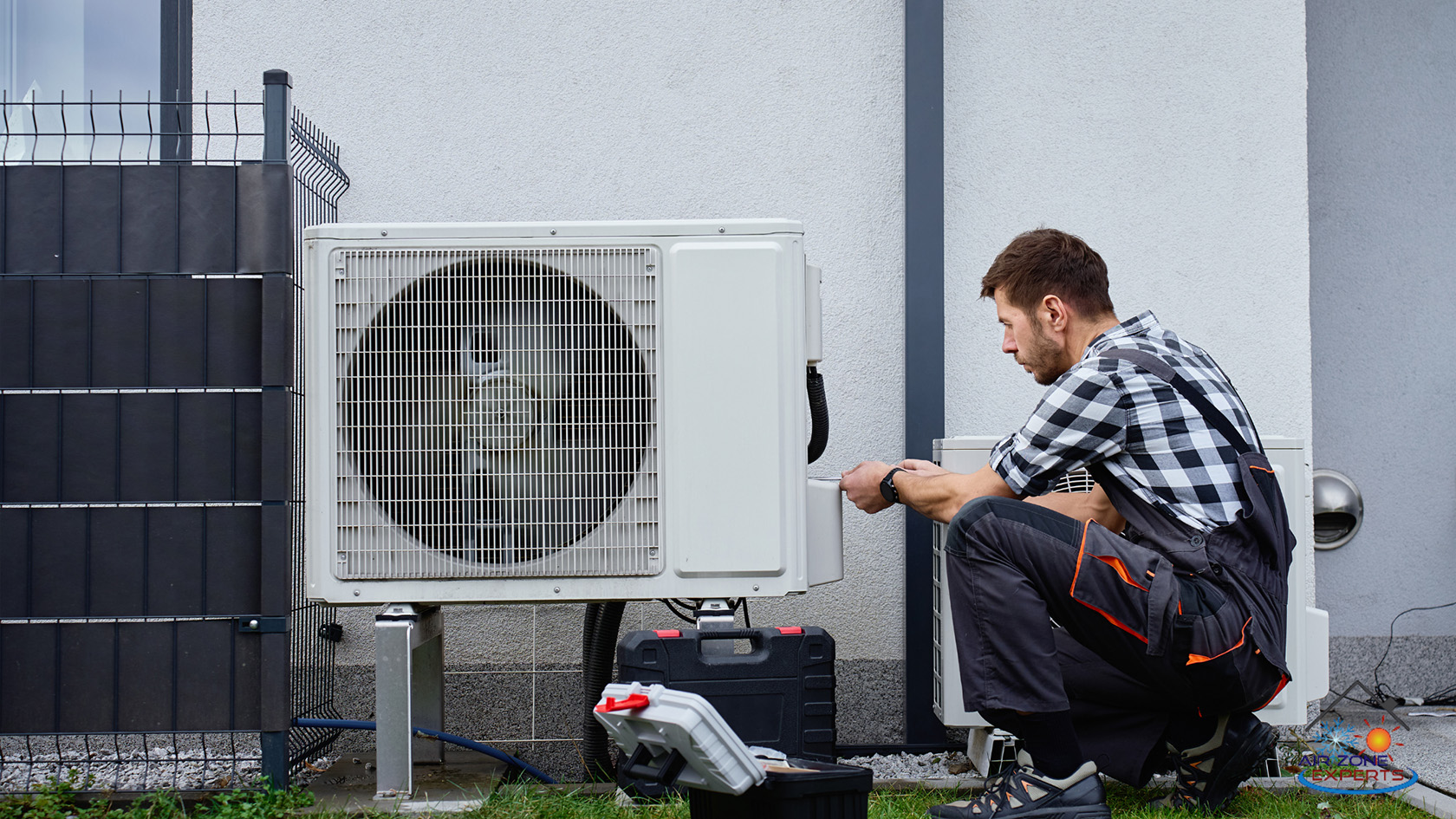
Here’s the thing about AC repairs—sometimes the answer isn’t another fix. It’s telling you the system has done its job, and it’s time to let it retire, even though that’s a harder conversation than just patching things up again. If you’re trying to figure out where that line is, here’s what to look for.
Key Takeaways
- Age, how often you’re calling for repairs, and rising energy bills are the three biggest clues that it’s time to replace
- An aging system tends to fail at the worst possible moment, often mid-summer, when you need it most
- A few repairs a year on an older unit often add up to more than one replacement would’ve cost
- If your system still runs on R-22 refrigerant, that alone is often the tipping point
- We’ll always give you the real numbers so you can decide with confidence—no pressure, ever
AC Replacement Sign #1: Your System Is Getting Up There in Age
Most AC systems around North Texas are built to last somewhere between 12 and 15 years, though our long, hot summers can wear that down faster. If your unit’s in that range and you’re starting to notice any of the signs below, replacing it often saves you more in the long run than another repair would.
AC Replacement Sign #2: Frequent Repairs
One repair a year? Totally normal—that’s just wear and tear. Two or three in a single summer, especially the same issue popping back up, is your system telling you it’s breaking down faster than it can be patched. At that point, the repair bills start adding up to more than a new, more efficient system would’ve cost anyway.
Your Energy Bills Keep Creeping Up
As parts wear down, your AC has to work harder to hit the same temperature, even if nothing about your routine has changed. If your summer electric bills have quietly crept up year after year, an aging, less efficient system is often the reason why. Newer systems squeeze more cooling out of less electricity, so the efficiency gap between a 15-year-old unit and a current model can be significant once you’re running it hard through a Texas summer.
Your System Still Uses R-22 Refrigerant
R-22—you might know it as Freon—hasn’t been made in years, so it’s gotten expensive and hard to find. If your outdoor unit needs an R-22 recharge, that one repair alone can cost more than a full year of regular maintenance, and it’s often the moment that makes replacement the smarter call.
Uneven Cooling That Just Won’t Stay Fixed
Already had someone out for uneven cooling or weak airflow, only to have it come right back? That’s not always a fixable part—sometimes it just means the system is too worn out or too small to keep up with your home, especially once Frisco’s summer heat kicks in.
The Efficiency Gap: Why AC Replacement Pays Off (SEER Ratings)
If you’ve been comparing quotes or reading up on new systems, you’ve probably seen SEER ratings mentioned—that’s the efficiency rating for AC equipment, and it’s one of the clearest ways to see the gap between what you have now and what’s available today. An older system installed a decade or more ago is likely running at a lower efficiency than anything sold now, which means a big part of what you’d spend on a new system tends to come back over time through lower monthly bills.
What to Expect During AC Replacement
If you decide replacement makes sense, we’ll walk your home with you, talk through sizing and efficiency options that fit your budget, and most residential installs are completed in a single day. You’ll get a clear, upfront quote before anything is ordered, and we’ll help you understand financing options if you’d rather spread the cost out than pay all at once.
We know a full system replacement is a bigger decision than a repair, which is part of why we offer financing — including 0% interest options for qualifying customers — plus a free WiFi thermostat with every new installation. It’s also worth asking your utility provider about any current rebates for high-efficiency systems.
Frisco’s Climate Shortens System Life
Long stretches of triple-digit heat mean local systems run longer hours per day than they would in a milder climate, which shortens the practical lifespan of components compared to the same equipment installed somewhere cooler. A system rated for 15 years in a mild climate might realistically give you closer to 12 here, simply because it’s working harder, more often, for more months of the year.
Questions Worth Asking Before You Sign
Ask what size system is being recommended and why — correctly sized equipment matters more for comfort and efficiency than most homeowners realize. Ask what the warranty covers, both parts and labor. And ask whether the quote includes removal of your old system, since that’s sometimes an added cost if it isn’t spelled out upfront.
Replacement doesn’t always mean replacing everything at once, either. Depending on your system’s age and condition, sometimes just the outdoor condenser needs replacing while the indoor components still have good life left, or vice versa. A trustworthy technician will tell you which parts are actually failing rather than defaulting to a full replacement recommendation every time.
The 50% Rule of Thumb
A rule many HVAC pros use, sometimes called the 50% rule, is this: if a repair costs more than half of what a new system would cost, replacement is often the better value, especially on an older unit where more issues are likely to follow. It’s not a hard formula—every home and system is different—but it’s a useful gut check when you’re staring at a repair estimate and wondering if it’s worth it.
Getting a Straight Answer About AC Replacement
The hardest part of this decision is trusting that whoever’s giving you advice doesn’t have a reason to steer you one way or the other. We’re a family-owned business, and most of our customers come from referrals—about 85% of them—because we tell people what their system actually needs, not what earns us the bigger ticket. If a repair will genuinely get you another few good years, we’ll say so. If it won’t, we’ll tell you that too.
Repairing an aging system rarely works out cheaper in the end. Beyond the risk of it failing during the hottest week of the year, an inefficient system keeps costing you every month it runs. Homeowners who replace before a full breakdown tend to have an easier experience overall, since they’re choosing the timing rather than reacting to an emergency.
If your system is getting up there in age and you’ve noticed one or two of the signs above, it doesn’t hurt to get a second opinion, even if your current technician has already recommended a repair.
Contact Air Zone Experts for AC Repair in Frisco
Need your AC looked at? Air Zone Experts is a NATE-certified, owner-operated team with 400+ five-star reviews behind us, upfront pricing, and someone available 24/7 — so getting help shouldn’t be complicated.
Give us a call at (214) 430-9059 or head over to our contact page to request service. We aim for same-day appointments every time.