What Does HVAC Actually Mean?
HVAC stands for heating, ventilation, and air conditioning — three systems with one job: keeping a home comfortable, breathable, and safe year-round.
- Heating raises the indoor temperature when it’s cold. Gas furnaces, heat pumps, and electric strip heat all qualify — in North Texas, that almost always means a furnace or heat pump.
- Ventilation moves air. Stale air out, fresh air in, plus the circulation that pushes conditioned air through the home. Most airflow problems start in the ductwork.
- Air Conditioning removes heat and humidity. A working AC is also a dehumidifier — in Texas, that’s not optional. It’s life-safety equipment during summer.
Together, these form what techs call “the system” — not just the outdoor box or the indoor unit alone, but the whole assembly working together. North Texas air conditioners also run for a much longer season each year than furnaces do, and that seasonal imbalance drives most of the equipment decisions that matter here.
Our HVAC Contractor Services
We offer complete residential HVAC services for homeowners throughout the Dallas-Fort Worth area and commercial HVAC services for businesses that need reliable heating and cooling with minimal downtime and preventive maintenance programs.
Air Conditioning
Emergency HVAC Services
24/7 emergency service Monday through Saturday with rapid response, often within 10 minutes, for urgent heating or cooling failures. Learn more.
Air Conditioning Repair
Fast AC repair for all makes and models, including refrigerant leaks, electrical issues, compressor problems, and frozen coils. Learn more.
Air Conditioning Replacement
Professional AC replacement with high-efficiency systems, proper sizing calculations, and expert installation for long-term comfort. Learn more.
Air Duct Repair & Replacement
Complete ductwork services improve system efficiency, indoor air quality, and airflow throughout your home. Learn more.
Heating
Heating Services
Comprehensive heating solutions including furnace repair, heater replacement, installation, and maintenance for all furnace types and brands. Learn more.
Heater Repair
Expert furnace repair for all heating issues, including no-heat situations, ignition problems, blower failures, and thermostat malfunctions. Learn more.
Heater Replacements
Professional heater replacement with high-efficiency furnaces and heat pumps, proper sizing, and expert installation for reliable warmth. Learn more.
Heater Installation
New heating system installation for new construction, additions, and system upgrades, with professional design and quality workmanship. Learn more.
HVAC System Components Inside a Texas Home
A residential HVAC system typically includes 8 to 12 components working together:
Outdoor condenser unit
Vents, registers, and returns
Supporting components
Ductwork
Indoor air handler or furnace
Thermostat
Air filter
Evaporator coil
Types of HVAC Systems for Texas Homes
What works in a new-build won’t necessarily fit an older home. Here’s what gets installed in North Texas and when each option makes sense:
Central split system – the standard setup: an outdoor condenser paired with an indoor coil at the air handler or furnace, distributing air through ductwork.
Dual-fuel (heat pump + gas furnace): the heat pump runs until temperatures drop into the 30s, then the furnace takes over. Often the most economical choice over a 15-year lifespan when gas is available.
Packaged system: all components in one outdoor cabinet. Common on manufactured homes, slab-only homes, and light commercial HVAC. Less efficient than a split system.
Ductless mini-split: one outdoor unit feeds one or more wall-mounted indoor heads — no ductwork required. Ideal for garages, additions, sunrooms, and older homes without ducts.
Geothermal heat pump: uses stable underground temperatures. Extremely efficient but expensive ($20,000+) and rare in DFW residential settings.
How an HVAC System Actually Works
The short version on a July afternoon: the thermostat senses the house is above the setpoint and signals the outdoor unit and indoor blower to start. Outside, a compressor pressurizes the refrigerant and pushes it through a coil, where outdoor air removes the heat — that’s why the air above a running AC feels like a hair dryer. The cooled refrigerant flows through the evaporator coil, which cools. The blower pulls warm house air across that coil, transferring heat into the refrigerant and condensing moisture out as water that drains away. Cool, dehumidified air returns through the ducts to the rooms, and the loop repeats until the setpoint is reached.
Heat pumps run the same cycle in reverse for heating, using a reversing valve to flip the refrigerant flow. Gas furnaces work differently: burners fire, a heat exchanger warms up, the blower pushes air across it, and flue gases vent outside.
How Texas Climate Changes What HVAC Really Means
- Cooling season runs long here: North Texas air conditioners log far more running hours per year than furnaces do, per NWS Fort Worth/Dallas climate normals, so SEER2 is generally the more consequential efficiency rating to focus on here, ahead of AFUE or HSPF2.
- Humidity is relentless: June through September pushes outdoor humidity past 70%. An oversized AC cools fast but doesn’t run long enough to dehumidify, leaving a clammy house even at the right temperature — right-sized equipment with variable-speed blowers fixes this.
- Attic installs dominate: most homes have the air handler in the attic, where summer temperatures can hit 140°F, shortening equipment life.
- Ductwork is the weakest link: in many older neighborhoods, 20–30% of cooling capacity is commonly lost before air reaches a room. A high-SEER2 system on bad ductwork performs like a much lower-rated one.
- Cold snaps happen: the February 2021 winter storm was a reminder that hard freezes are possible. Standard heat pumps fall back on electric strip heat during deep freezes, spiking bills — dual-fuel systems avoid this.
- Allergy seasons are long: mixed tree and grass pollen stretches the North Texas allergy season. MERV 11–13 filters and annual duct cleaning meaningfully reduce indoor allergens.
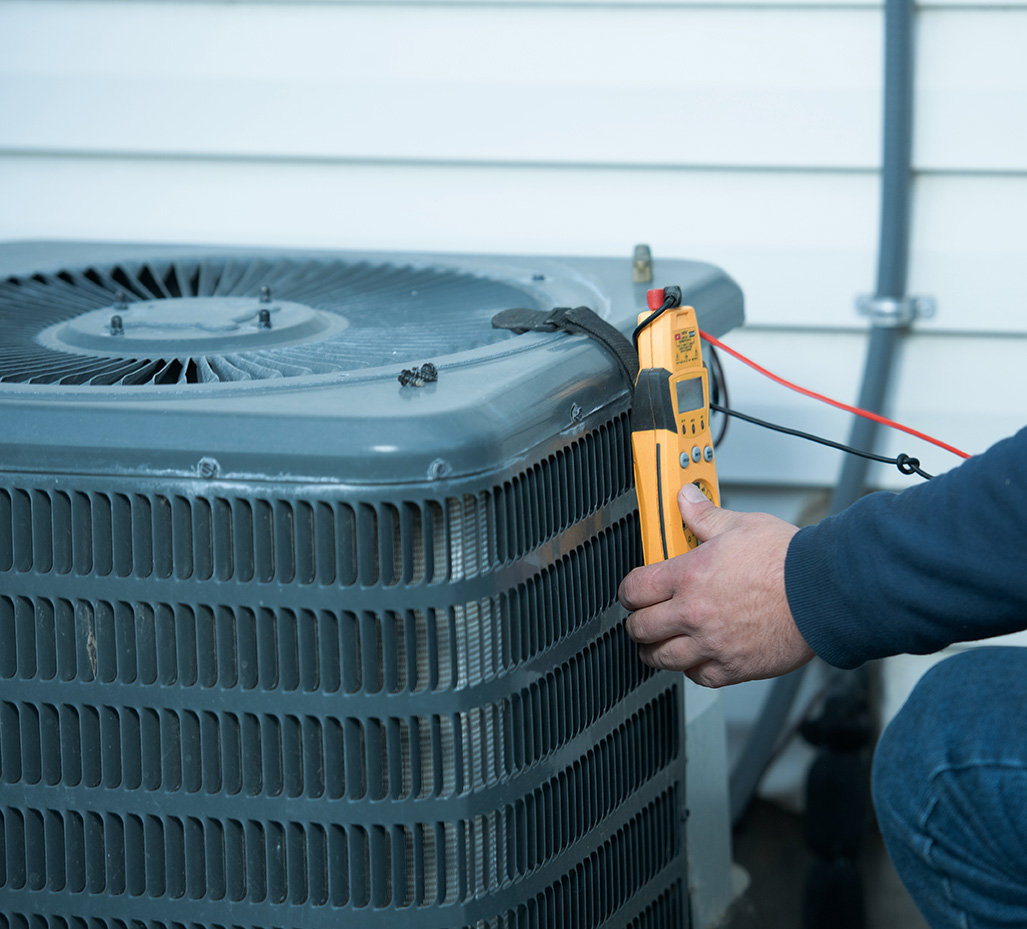
How to Choose an Honest HVAC Contractor
RA few things worth checking before hiring anyone:
- TDLR license: Every Texas HVAC contractor must be licensed through the Texas Department of Licensing and Regulation. Every ad, quote, and truck should display the license number.
- NATE certification: the trade’s highest technician credential. Roughly 35,000 technicians nationwide hold it out of about 400,000 practicing HVAC techs — owner Adrian Racovei is NATE-certified.
- EPA Section 608: a federal requirement for any technician handling refrigerant. Legitimate Texas companies maintain Type II or Universal certification for every tech.
- Owner involvement: owner-operated companies tend to have better accountability — Adrian is on most service calls himself.
- Manual J load calculation: quotes based on square footage alone are guesses. Manual J is the ACCA standard for actual load calculation.
- Itemized written quotes: separate lines for equipment, labor, permits, and materials. Lump-sum quotes can hide markups.
- Permits: required in most Texas jurisdictions. Skipping them means no inspection, no code verification, and potential resale problems later.
Red Flags to Watch For
- “Your system is on its last legs” without diagnostic proof
- 48-hour expiring quotes designed to pressure a decision
- Refusing to show the failed part or supporting data
- “Today-only” pricing that mysteriously persists days later
- Pushing replacement when repair is a small fraction of replacement cost on a newer system
Fair-Practice Signals
- Diagnosis first, recommendation second, quote third
- Willing to repair or replace, whichever makes economic sense
- References available on request
- Transparent about manufacturer warranty versus labor warranty
- No pressure on older systems that still have years of life left
Repair or Replace?
As a general guide, consider replacement if your system is over 15 years old, requires frequent repairs, has lost efficiency, uses R-22 refrigerant, or repair costs are a large fraction of replacement value. When in doubt, ask for a second opinion — we’ll tell you honestly which makes more financial sense.
Service Area: North DFW Communities We Cover
HVAC service isn’t just equipment expertise — it’s local response time and knowing the quirks of each area. Lake-adjacent homes tend to have higher humidity and more condensate drain issues; older homes carry undersized returns and aged ductwork; new builds often have builder-grade equipment that fails by the fourth summer. We serve communities across Denton, Collin, and Dallas counties, including:
Little Elm, Frisco, McKinney, The Colony, Prosper, Wylie, Crossroads, Hackberry, Oak Point, Lake Dallas, Corinth, and Krugerville.
Why Choose Air Zone Experts for HVAC Services
For over 20 years, our family-owned business has built a reputation on honesty, expertise, and treating every customer with respect. Learn more about Air Zone Experts.
Transparent Pricing
Upfront quotes with no hidden fees or surprise charges.
24/7 Emergency Availability
Round-the-clock service Monday–Saturday with rapid response for urgent failures.
Owner-Operated Service
Adrian personally handles many calls, ensuring expert attention and accountability.
Award-Winning Excellence
#1 HVAC Contractor Little Elm 2024, Best HVAC Repair Frisco TX by Expertise.com, 2024 Nextdoor Neighborhood Fave.
Proven Track Record
400+ five-star Google reviews with 85% of business from customer referrals.
Read more five-star reviews from our customers.
Frequently Asked Questions
Pricing & Cost
How much does a new HVAC system cost in Texas?
Do you offer financing for HVAC installations?
Yes — flexible financing with low monthly payments, competitive rates, and zero-interest same-as-cash programs.
How much does residential HVAC maintenance cost?
Do you offer any current promotions?
Check our current coupons and specials for seasonal offers.
Do you provide upfront pricing?
Process & Timing
How quickly can Air Zone Experts respond to HVAC service calls?
How long does HVAC installation take?
How often should HVAC maintenance happen?
How often should I change my air filter?
What size HVAC system does my home need?
Guarantees & Certifications
Are your technicians certified?
Do you guarantee your HVAC work?
What's the best HVAC brand for Texas?
How long does an HVAC system last in Texas?
Should I worry about R-410A being phased out?
Service Area & Availability
What areas do you serve?
Do you service commercial properties?
What brands of AC and heating equipment do you service?
What are common signs my HVAC system needs attention?
Is a cracked heat exchanger or carbon monoxide leak a safety concern?
Need HVAC Service in Little Elm, TX?
Call for immediate assistance
HVAC Resources & Blog
Visit our blog for more maintenance tips and repair insights: